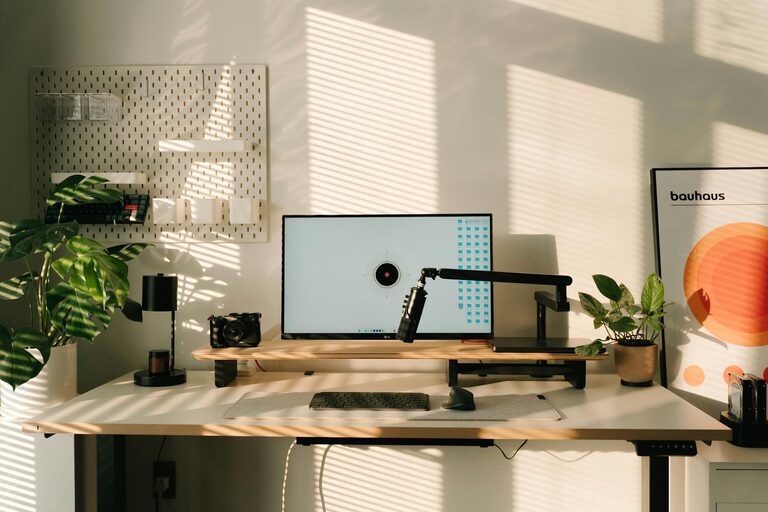
Creating a productive home workspace is essential for anyone working remotely or spending significant time on tasks at home. A well-arranged workspace helps maintain focus, reduces distractions, and supports good posture. Whether you have a dedicated room or a small corner, the following tips will help you design an efficient and comfortable environment conducive to productivity.
Choose the Right Location
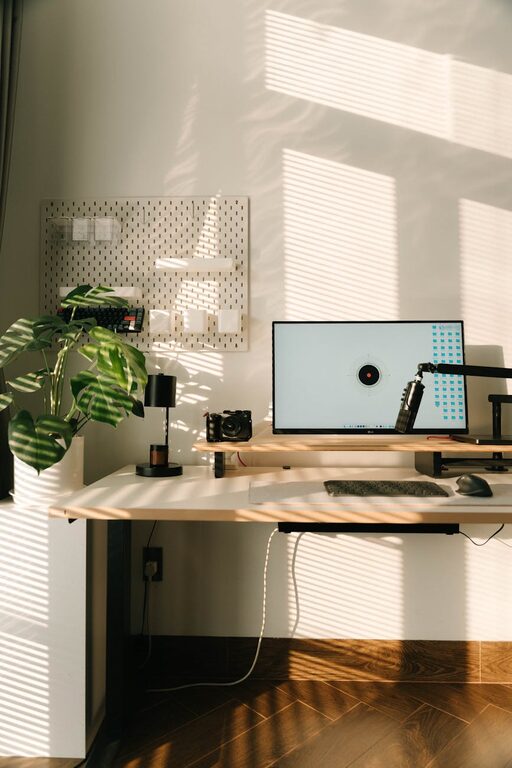
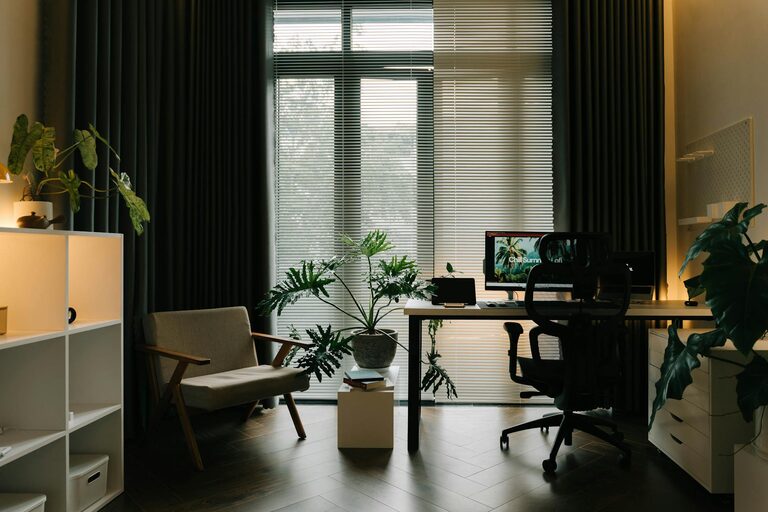
Selecting the best spot for your workspace is the first and perhaps most important step. Look for a quiet area with enough natural light where interruptions are minimal. Avoid places with heavy foot traffic or background noise. If possible, position your desk near a window to enjoy daylight, which can improve mood and focus.
Invest in Ergonomic Furniture
Comfort matters when spending hours at a desk. Choose an ergonomic chair that supports your lower back and allows your feet to rest flat on the floor. Your desk height should enable your elbows to stay at a 90-degree angle while typing. If ergonomic furniture is out of reach now, extra cushions or footrests can help improve your posture.
Organize Your Workspace
An organized desk reduces stress and helps you focus better. Follow these steps to keep your workspace tidy and functional:
– Use drawer organizers or trays for pens, paperclips, and other small items.
– Keep only essential items on your desk to avoid clutter.
– Have a filing system for important documents, whether physical or digital.
– Regularly declutter to maintain order.
Minimize Distractions
To stay productive, try to control potential distractions in your workspace. Consider these strategies:
– Turn off non-essential notifications on your computer and phone.
– Use noise-cancelling headphones or play soft instrumental music if ambient noise is a problem.
– Inform family members or roommates about your work hours to avoid interruptions.
– Establish clear boundaries between your work and personal space.
Ensure Proper Lighting
Lighting affects both your productivity and eye comfort. Besides natural light, use a good quality desk lamp with adjustable brightness to reduce eye strain during darker hours. Avoid harsh fluorescent lights and position your monitor to avoid glare from windows or overhead lights.
Personalize Your Workspace
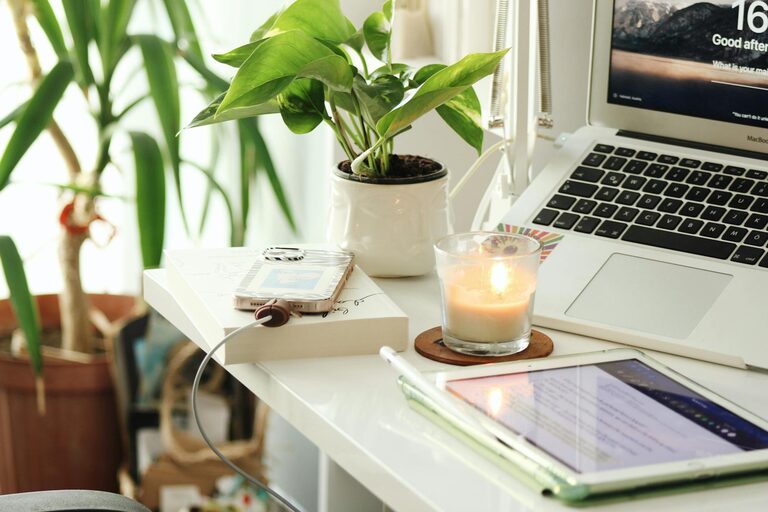
Adding personal touches can make your workspace more inviting and motivate you throughout the day. Consider putting up inspiring artwork, photos, or plants. Greenery can improve air quality and add a refreshing element to your environment.
Set Up Technology Efficiently
Make sure your technology setup supports your work without causing frustration. This includes:
– A reliable high-speed internet connection.
– An ergonomic keyboard and mouse.
– Proper cable management to avoid tangling and clutter.
– Backup storage solutions for important files.
Investing time in setting these up correctly pays off with smoother workflow and fewer technical interruptions.
Establish a Routine
Creating structure helps maintain productivity. Develop a routine that includes designated start and end times, scheduled breaks, and a plan for tackling tasks. A consistent routine trains your brain to focus during work periods and relax afterward.
Take Regular Breaks
Taking short breaks restores concentration and prevents burnout. Try the Pomodoro technique — working for 25 minutes, then pausing for 5 minutes. Use break time to stand, stretch, or walk around briefly. This keeps your body active and your mind refreshed.
Keep Hydrated and Nourished
Don’t forget basic needs during work hours. Keep a bottle of water nearby to stay hydrated. Have healthy snacks available to maintain energy without causing sluggishness. Proper nutrition supports both physical and mental performance.
Evaluate and Adjust Periodically
Your workspace needs may change over time. Take time every few weeks to assess how your space supports your productivity. Make adjustments as needed, whether optimizing layout, upgrading equipment, or modifying lighting.
—
Creating a productive home workspace is a combination of thoughtful design, organization, and self-discipline. By following these tips, you can build an environment that enhances your work experience and helps you do your best every day. Remember, a few small changes can make a big difference when it comes to staying productive at home.