
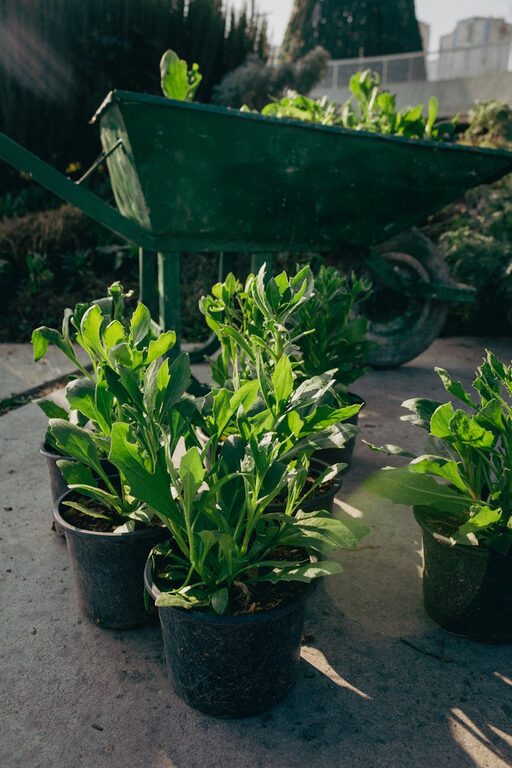
Creating a sustainable home garden is a rewarding way to enjoy fresh produce, beautiful plants, and a positive impact on the environment all year long. By planning with care and adopting eco-friendly practices, you can cultivate a garden that supports biodiversity, conserves resources, and grows food in harmony with nature. This guide offers practical tips for maintaining your sustainable home garden throughout the seasons.
Why Choose a Sustainable Garden?
A sustainable garden focuses on reducing waste, conserving water, improving soil health, and supporting local ecosystems. Unlike traditional gardens that may rely heavily on synthetic fertilizers and pesticides, sustainable gardens use natural methods to thrive. This approach benefits not only your garden but also the planet.
Planning Your Sustainable Garden Year-Round
1. Choose the Right Location and Layout
Consider sunlight, wind exposure, and soil quality when selecting your garden spot. Most edible plants require at least 6 hours of direct sunlight daily. Group plants by their water and sunlight needs to optimize irrigation and care.
2. Prepare Your Soil Naturally
Healthy soil is the foundation of a sustainable garden. Instead of chemical fertilizers, enrich your soil with compost, aged manure, or worm castings. These natural amendments improve soil structure, retain moisture, and provide essential nutrients.
3. Select Native and Adapted Plants
Native plants and those adapted to your climate are typically more resilient, requiring less water and care. They also support local pollinators and wildlife. Research plants suitable for your hardiness zone and seasonal conditions.
Seasonal Tips for Sustaining Your Garden
Spring: Kickstart Growth
– Start seeds indoors or in a greenhouse to give plants a strong start.
– Use mulch to retain moisture and suppress weeds as temperatures rise.
– Incorporate companion planting to deter pests naturally. For example, plant marigolds near tomatoes to reduce aphids.
Summer: Maintain and Protect
– Water early in the morning or late in the evening to minimize evaporation.
– Use drip irrigation systems or rain barrels to conserve water.
– Keep an eye out for pests and treat issues promptly with organic methods like neem oil or insecticidal soap.
– Harvest regularly to encourage continued production.
Fall: Prepare for Winter
– Plant cover crops, such as clover or rye, to prevent soil erosion and add nutrients.
– Add a thick layer of mulch to protect roots and regulate soil temperature.
– Clean up plant debris to reduce overwintering pests and disease but consider leaving some natural materials to provide habitat for beneficial insects.
Winter: Plan and Protect
– Use cold frames or cloches to extend your growing season for hardy vegetables like kale or spinach.
– Plan crop rotations and order seeds for the upcoming year.
– Maintain tools and garden infrastructure so you’re ready for spring.
Sustainable Practices to Embrace
Composting
Turn kitchen scraps and garden waste into valuable compost. This reduces landfill waste and creates a rich soil amendment that improves plant health.
Water Conservation
Collect rainwater in barrels and use mulch to reduce the frequency of watering. Water deeply but less often to encourage strong root development.
Avoid Chemical Pesticides and Fertilizers
Natural solutions like companion planting, beneficial insects (ladybugs, lacewings), and homemade sprays keep pests in check without harming the environment.
Encourage Biodiversity
Plant a variety of flowers, herbs, and vegetables to attract pollinators and beneficial insects. Provide habitats such as birdhouses or insect hotels.
Use Recycled and Natural Materials
Opt for recycled pots, garden beds made from reclaimed wood, and biodegradable plant ties.
Tools and Resources for Sustainability
– Seed Saving Kits: Save seeds from your harvest for future planting to reduce the need for purchasing new seeds.
– Soil Test Kits: Test your soil annually to understand its nutrient levels and pH, helping you make informed amendments.
– Garden Journals: Keep track of what you plant, when, and how your garden performs to improve over time.
– Local Gardening Groups: Connect with others to exchange seeds, knowledge, and support sustainable gardening in your community.
Final Thoughts
Building a sustainable home garden requires some planning and ongoing attention, but the benefits are well worth the effort. Besides providing fresh, healthy food and beautiful plants, it teaches valuable lessons about working with nature and respecting the environment. By adopting these tips and strategies, your garden can thrive throughout the year, becoming a greener, more sustainable space in your home and community. Happy gardening!