
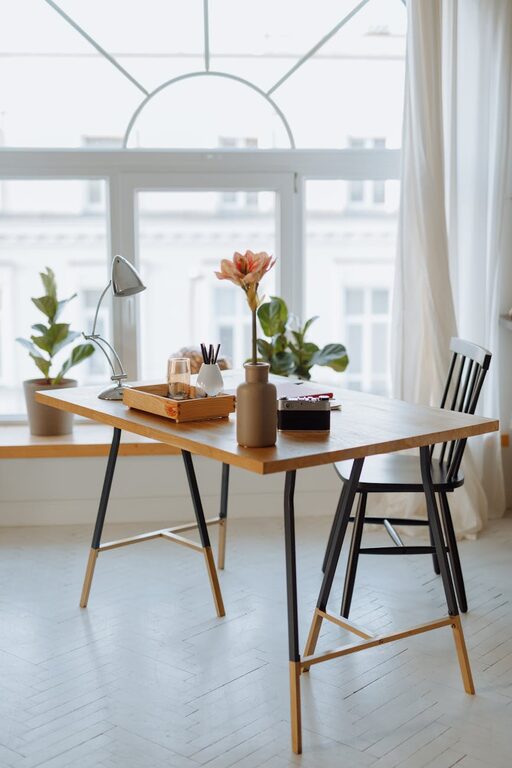
Creating a cozy and functional home workspace is essential as more people embrace remote work or dedicate time to personal projects at home. A well-designed workspace can boost your productivity, reduce stress, and make working from home more enjoyable. Whether you have a small corner or an entire room, these tips will help you set up an inviting and efficient work area.
Choose the Right Location
Selecting the ideal spot for your workspace is the first step toward comfort and functionality.
– Natural light: Try to position your desk near a window. Natural light can improve your mood and reduce eye strain.
– Quiet area: Pick a part of your home with minimal distractions, where you can focus without interruptions.
– Space availability: Consider the furniture and equipment you need and make sure your chosen area can comfortably accommodate them.
Invest in Comfortable and Ergonomic Furniture
Comfort is key when you spend hours sitting and working at a desk.
– Ergonomic chair: Look for a chair with adjustable height, good lumbar support, and comfortable padding.
– Proper desk height: Your desk should allow you to work with your arms at a 90-degree angle to reduce strain.
– Standing options: If possible, choose a sit-stand desk or add a standing desk converter for flexibility.
Organize Your Workspace Efficiently
A clutter-free environment helps maintain focus and efficiency.
– Declutter regularly: Remove unnecessary items from your desk to keep your space neat.
– Smart storage: Use shelves, drawers, and organizers to keep supplies accessible but out of the way.
– Cable management: Organize cables with clips or ties to avoid a tangled mess and keep your desk clean.
Add Personal and Cozy Touches
Making your workspace inviting encourages you to spend time there.
– Soft textiles: Add a cushion or a small throw blanket to your chair for comfort.
– Greenery: Place a plant or two nearby to freshen the air and add visual appeal.
– Artwork: Decorate with pictures or motivational quotes to inspire you throughout the day.
Ensure Good Lighting
Proper lighting prevents eye strain and sets the right mood for work.
– Desk lamp: Use an adjustable desk lamp with warm light to supplement natural light, especially during evenings.
– Avoid glare: Position your screen and light sources to minimize reflections and glare.
– Balanced lighting: Combine ambient room lighting with targeted task lighting for the best results.
Set Boundaries for Work and Relaxation
Separating work time from personal time is important for mental well-being.
– Dedicated workspace: Keep your work materials separate from leisure areas to help switch between roles.
– Clear work hours: Define your working hours and communicate them if you live with others.
– End-of-day routine: Create a routine to “close” your workspace at the end of the day, like turning off your computer or tidying your desk.
Equip Your Workspace with Necessary Tools
Having the right tools can improve your productivity and reduce frustration.
– Reliable technology: Ensure your computer, internet, and software meet your work requirements.
– Office supplies: Keep essential supplies like pens, notebooks, and chargers within easy reach.
– Comfort items: Consider a water bottle, a small fan, or a heating pad depending on your comfort needs.
Keep Your Workspace Flexible
Adaptability allows your workspace to evolve with your needs.
– Modular furniture: Use furniture that can easily be repositioned or resized.
– Multi-use space: If you share the space, create areas that can be quickly converted from work to relaxation.
– Regular reassessment: Periodically assess your setup and make changes to improve comfort or efficiency.
—
By following these tips, you can create a home workspace that feels inviting while supporting your productivity. A cozy and well-organized workspace contributes to better focus and wellbeing, making your work-from-home experience more rewarding and enjoyable. Remember, the best workspace reflects your personal style and meets your unique needs, so take the time to make it truly your own.